
**The Beginner’s Guide to Event Planning**
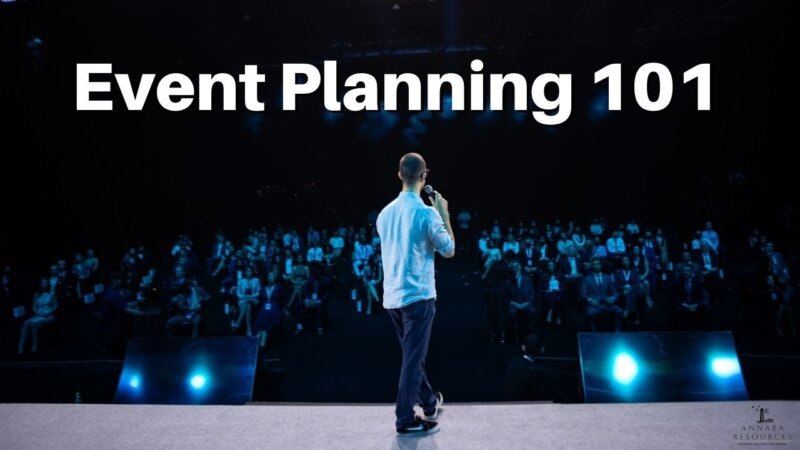
Event planning can be a chaotic and stressful process, with so many details to remember and keep track of. This calls for a framework to help keep the workflow smooth and focused. In today’s video, we will discuss three fundamental components of event planning, serving as a beginner’s guide to event planning.
**Setting Goals and Objectives**
The first fundamental thing every event planner needs to do is to set clear goals and objectives for the event. This involves asking questions such as: Why are you hosting this event? What do you hope to gain from it? Does it align with your organization’s goals? Your event must serve a purpose and line up with your brand’s overall marketing strategy and company mission. It’s also important to quantify your goals and write detailed, measurable, and tangible objectives to achieve them.
**Estimating a Budget**
Estimating a budget is often the most poorly executed step for amateur event planners. Many moving parts and pieces of an event need to be obtained, and these items cost money. It’s important to carefully consider the cost of the venue, food and beverage, and miscellaneous expenses. Budgeting is a living, breathing item that requires constant revisiting and updating to ensure transparency and cost-effectiveness.
**Announcing and Advertising Your Event**
Once your plan is drafted out, it’s time to start promoting and advertising your event. This can take a significant amount of time and resources to gain traction, especially for public events. Promotion typically starts with a teaser, followed by an event announcement, and can include various platforms such as web page announcements, social media hype, email blasts, press and media connections, and printed materials.
**Assessing Your Event’s Success**
After the event is over, it’s important to assess its success by comparing it to your goals and objectives. You should evaluate the performance of the event, your team, and the marketing strategy to determine what went well and what needs to be improved. This feedback will be invaluable for future events.
In conclusion, event planning involves setting clear goals and objectives, estimating a budget, announcing and advertising the event, and assessing its success. These essential components will help event planners stay organized and ensure the success of their events. Thank you for tuning in and stay updated with our channel for more industry insights and informative content. If you enjoyed the video, don’t forget to like and subscribe for more!
Disclaimer:
The information contained in the video or post represents the views and opinions of the original creators, and does not necessarily represent the views or opinions of YeniExpo. The Video Content or Post has been made available for informational and educational purposes only.
YeniExpo does not make any representation or warranties with respect to the accuracy, applicability, fitness, or completeness of the Video or Post Content. If you find any of your copyrighted material in this post or video, please contact us, so we can resolve the issue.
© All rights reserved by respective owners.
Please Share Article Above🔝
Turkish Manufacturers: 5 Proven Ways to Slash Your B2B Logistics Costs
Turkish Furniture Manufacturers: Superior Wholesale Designs for Global Buyers
YeniExpo VIP Services: How We Digitize Complex Industrial Catalogs with Surgical Precision
The 48-Hour Digital Catalog: Why YeniExpo’s VIP Data Entry is the New Standard for Turkish Exporters
How to increase your exports to the Middle East and Europe using YeniExpo
Five Key Advantages for Chinese Exporters Joining YeniExpo.com
Featured Products
Commercial Patisserie Ovens High Quality Bakery Equipment Up to 300 °C
Berberler Rebeka Mens Women Bathrobe Bornoz and Towel Set Turkish Cotton Sweet Violet
Protein Bars Pine Nut Pistachio Delicious Flavors Healthy Organic 45 g DIM
Vertical Shaft Impact Stone Crushers Crushing Machine
Women Shirts Long Tunic AMAZİNG Marie Mcgrath 3011
Fennel Tea Herbal Nutritious Natural Dried 50g Packets
RosalindaHome Brand Complete Table Setting: Table Runner and 6,8,12 Placemats – Versatile Lace Doilies for Dressers and Dining Tables – Elegant Dining Table Decor
Öz Malatya Pazari Curved Luxury Side End Coffee Snack Set of 4 Creme Stackable Tables Living Room
Mobile Jaw Crusher Stonecrusher MUKA Makina MMJ110 Top Quality
[the_ad_group id="19807"]