
Introduction
In 2024, the growth of Turkish product exports is poised to continue its upward trajectory, driven by strategic economic policies, diversification of export markets, and increased competitiveness in global trade. Turkey’s robust manufacturing sector, coupled with advancements in technology and innovation, has enabled the country to expand its export portfolio beyond traditional markets. The government’s focus on enhancing trade relations, reducing logistical barriers, and investing in sustainable production practices has further bolstered Turkey’s position as a key player in international commerce. As global demand for high-quality, cost-effective products rises, Turkish exporters are capitalizing on opportunities in emerging markets while strengthening their presence in established ones. This growth is not only contributing to Turkey’s economic resilience but also reinforcing its role as a dynamic hub in the global supply chain.
Expansion Strategies for Turkish Products in Global Markets in 2024
The growth of Turkish products exports in 2024 is poised to be a significant development in the global market landscape, driven by strategic expansion efforts and a keen focus on quality and innovation. As Turkey continues to strengthen its position as a key player in international trade, several factors contribute to the anticipated increase in exports. These include the diversification of product offerings, the establishment of new trade partnerships, and the enhancement of logistical capabilities. By leveraging these strategies, Turkey aims to not only increase its export volume but also to solidify its reputation as a reliable and competitive supplier on the world stage.
One of the primary strategies for expanding Turkish products in global markets is the diversification of the export portfolio. Turkish manufacturers have been increasingly focusing on high-value sectors such as automotive, electronics, and machinery, alongside traditional strongholds like textiles and agriculture. This diversification is crucial in mitigating risks associated with market fluctuations and in tapping into new consumer bases. By investing in research and development, Turkish companies are enhancing the quality and innovation of their products, making them more appealing to international buyers. This focus on quality is expected to play a pivotal role in differentiating Turkish products from competitors and in capturing a larger share of the global market.
In addition to product diversification, Turkey is actively pursuing new trade partnerships and strengthening existing ones. The government has been engaging in diplomatic efforts to negotiate favorable trade agreements, which are essential for reducing tariffs and other barriers to entry. These agreements not only facilitate smoother trade flows but also open up new markets for Turkish products. For instance, Turkey’s ongoing negotiations with countries in Africa and Asia are expected to yield significant opportunities for export growth. By establishing a presence in these emerging markets, Turkish exporters can benefit from the rising demand for quality products and services.
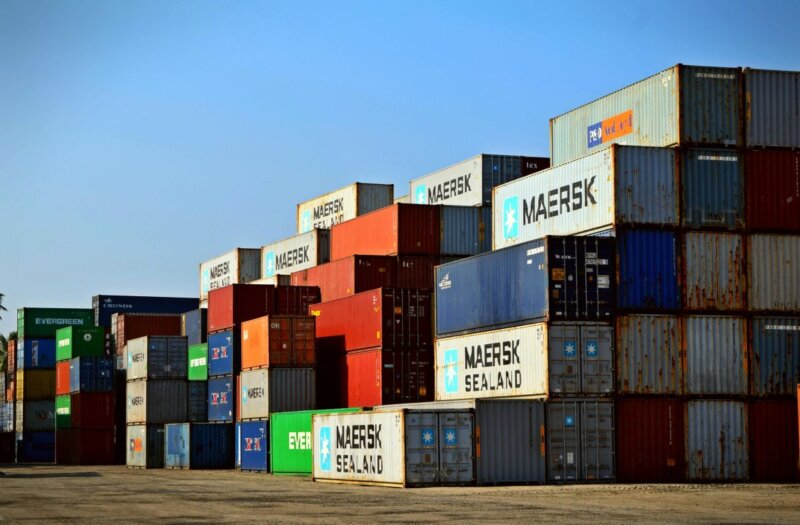
Moreover, the enhancement of logistical capabilities is another critical component of Turkey’s export expansion strategy. The country has been investing heavily in infrastructure projects, such as the development of new ports and the expansion of existing ones, to improve the efficiency of its supply chain. These improvements are designed to reduce shipping times and costs, thereby making Turkish products more competitive in terms of pricing. Additionally, advancements in digital logistics solutions are being implemented to streamline operations and enhance transparency, further boosting the appeal of Turkish exports.
Furthermore, Turkey’s commitment to sustainability and ethical production practices is increasingly becoming a selling point in global markets. As consumers worldwide become more conscious of environmental and social issues, Turkish companies are adopting sustainable practices to meet these expectations. This shift not only aligns with global trends but also enhances the reputation of Turkish products as responsible and forward-thinking. By prioritizing sustainability, Turkey is positioning itself as a leader in ethical production, which is likely to attract environmentally conscious buyers.
In conclusion, the growth of Turkish products exports in 2024 is underpinned by a comprehensive strategy that encompasses diversification, new trade partnerships, logistical enhancements, and a commitment to sustainability. These efforts are expected to yield significant benefits, enabling Turkey to expand its footprint in global markets and to establish itself as a formidable competitor. As these strategies continue to unfold, the future of Turkish exports looks promising, with the potential for sustained growth and increased influence in the international trade arena.
Key Factors Driving the Surge in Turkish Exports in 2024
The growth of Turkish products exports in 2024 can be attributed to a confluence of factors that have collectively bolstered the country’s position in the global market. As Turkey continues to expand its economic footprint, several key elements have emerged as pivotal in driving this surge. To begin with, Turkey’s strategic geographical location serves as a natural bridge between Europe and Asia, providing it with a unique advantage in accessing diverse markets. This geographical positioning has been further enhanced by the development of robust transportation and logistics infrastructure, facilitating smoother and more efficient trade routes. Consequently, Turkish exporters have been able to reach a wider array of international markets with greater ease.
Moreover, the Turkish government has played a significant role in promoting exports through a series of policy measures and incentives. By implementing export-friendly policies, such as tax breaks and subsidies for exporters, the government has created a conducive environment for businesses to thrive in the international arena. Additionally, Turkey has actively pursued trade agreements with various countries and regions, thereby reducing trade barriers and opening up new opportunities for its exporters. These agreements have not only expanded market access but have also enhanced the competitiveness of Turkish products on the global stage.
In tandem with governmental support, the diversification of Turkey’s export portfolio has been instrumental in driving growth. Traditionally reliant on textiles and apparel, Turkey has successfully expanded its export base to include a wide range of products, such as automotive parts, machinery, electronics, and agricultural goods. This diversification has not only mitigated risks associated with over-reliance on a single sector but has also allowed Turkey to tap into emerging global trends and demands. For instance, the increasing global emphasis on sustainability has seen Turkish exporters capitalize on the demand for eco-friendly products, further boosting their market presence.
Furthermore, the quality and innovation of Turkish products have significantly contributed to their growing appeal in international markets. Turkish manufacturers have increasingly focused on enhancing product quality and incorporating innovative technologies into their production processes. This commitment to quality and innovation has not only improved the reputation of Turkish products but has also enabled them to compete effectively with established global brands. As a result, Turkish exports have gained a competitive edge, attracting a broader customer base worldwide.
In addition to these factors, the resilience and adaptability of Turkish businesses have been crucial in navigating the challenges posed by global economic fluctuations. Despite facing uncertainties such as fluctuating exchange rates and geopolitical tensions, Turkish exporters have demonstrated remarkable agility in adjusting their strategies to maintain growth momentum. By leveraging digital technologies and e-commerce platforms, they have been able to reach new customers and streamline their operations, further enhancing their export capabilities.
In conclusion, the surge in Turkish products exports in 2024 is the result of a multifaceted approach that combines strategic geographical advantages, supportive government policies, diversification of export products, a focus on quality and innovation, and the resilience of Turkish businesses. As Turkey continues to strengthen its position in the global market, these key factors are likely to sustain and further propel the growth of its exports in the coming years.
The Role of Innovation in Boosting Turkish Product Exports in 2024
In 2024, the growth of Turkish product exports is poised to reach unprecedented levels, driven significantly by the country’s commitment to innovation. As global markets become increasingly competitive, Turkey has recognized the necessity of integrating advanced technologies and innovative practices into its production processes. This strategic shift not only enhances the quality and appeal of Turkish products but also positions them more favorably on the international stage.
To begin with, the Turkish government has played a pivotal role in fostering an environment conducive to innovation. By investing in research and development, the government has laid the groundwork for technological advancements across various sectors. This investment is evident in the burgeoning tech hubs and innovation centers that have sprung up in major cities like Istanbul and Ankara. These centers serve as incubators for new ideas, providing startups and established companies alike with the resources needed to develop cutting-edge products. Consequently, Turkish manufacturers are now better equipped to produce goods that meet the evolving demands of global consumers.
Moreover, the emphasis on innovation has led to significant improvements in the quality of Turkish exports. For instance, the textile industry, long a cornerstone of Turkey’s export economy, has embraced new technologies to enhance fabric quality and production efficiency. By adopting sustainable practices and utilizing smart textiles, Turkish manufacturers are able to offer products that not only appeal to environmentally conscious consumers but also adhere to stringent international standards. This focus on quality and sustainability has allowed Turkish textiles to capture a larger share of the global market.
In addition to textiles, the automotive sector in Turkey has also benefited from a surge in innovation. Turkish automotive companies are increasingly investing in electric vehicle technology, aligning with global trends towards sustainable transportation. By developing electric and hybrid vehicles, Turkey is not only diversifying its automotive exports but also establishing itself as a key player in the future of mobility. This forward-thinking approach has attracted international partnerships and investments, further bolstering the sector’s growth.
Furthermore, the agricultural sector has not been left behind in this wave of innovation. Turkish farmers are adopting precision agriculture techniques, utilizing drones and data analytics to optimize crop yields and reduce waste. This technological integration ensures that Turkish agricultural products are of high quality and competitively priced, making them more attractive to international buyers. As a result, Turkey’s agricultural exports are expected to see significant growth in 2024.
The role of innovation in boosting Turkish product exports is also evident in the burgeoning e-commerce sector. With the rise of digital platforms, Turkish companies have gained access to a global customer base, allowing them to market their products more effectively. By leveraging data analytics and digital marketing strategies, these companies can tailor their offerings to meet the specific needs of different markets, thereby increasing their export potential.
In conclusion, the growth of Turkish product exports in 2024 can be largely attributed to the country’s strategic focus on innovation. By investing in research and development, embracing new technologies, and fostering a culture of innovation, Turkey has positioned itself as a formidable player in the global market. As Turkish products continue to evolve and improve, the country’s export economy is set to thrive, bringing economic prosperity and international recognition.
Q&A
1. Question: What factors are expected to drive the growth of Turkish product exports in 2024?
Answer: The growth of Turkish product exports in 2024 is expected to be driven by increased demand in European and Middle Eastern markets, government incentives for exporters, and improvements in logistics and supply chain infrastructure.
2. Question: Which sectors are anticipated to see the most significant export growth from Turkey in 2024?
Answer: The automotive, textiles, and electronics sectors are anticipated to see the most significant export growth from Turkey in 2024, due to competitive pricing and quality improvements.
3. Question: How might geopolitical developments impact Turkish exports in 2024?
Answer: Geopolitical developments, such as trade agreements or regional conflicts, could impact Turkish exports by either opening new markets or creating barriers, affecting trade routes and costs.
Please Share Article Above🔝
Turkish Manufacturers: 5 Proven Ways to Slash Your B2B Logistics Costs
Turkish Furniture Manufacturers: Superior Wholesale Designs for Global Buyers
YeniExpo VIP Services: How We Digitize Complex Industrial Catalogs with Surgical Precision
The 48-Hour Digital Catalog: Why YeniExpo’s VIP Data Entry is the New Standard for Turkish Exporters
How to increase your exports to the Middle East and Europe using YeniExpo
Five Key Advantages for Chinese Exporters Joining YeniExpo.com
Featured Products
Yumatu 40 Inch FULL HD LED TV with built-in Satellite Receiver
Women Bridal Bridesmaid Robe Dressing Gown Bohemia Nightgown Long 005 Violet S – XL
FUSTAN Women’s Modest Muslim Dresses: Sizes 36, 38, 40, 42 – Wholesale Exclusive, Crafted in Turkiye 1007
Durable Polymer Furniture New Environment Friendly Living Rooms Turkish Made 2021
Yumatu 6W E14 White Led Light Bulb 450 Lumens
Calendula Herbal Tea Nutritious Natural Dried 50g Packets
STK Makina Curd Dry Cooking Machine 40 to 80 LT/charge
Atılım Machinery Thin Film Evaporator System NEW 1-2 tons / hour
FUSTAN Women’s Modest Tops: Sizes 36, 38, 40, 42 – Wholesale, Crafted in Turkiye
[the_ad_group id="19807"]