
The Power of Hybrid Cars: A Detailed Guide on How They Work and What You Should Know
Introduction
Hybrid cars are becoming increasingly popular as a clean and efficient mode of transportation. They offer a compromise between fossil fuel and pure electric vehicles, making them an attractive option for those concerned about the environmental impact of conventional cars and the limited range of electric ones. In this article, we will delve into how hybrid cars work, the different types available, and whether you should consider purchasing one.
How Hybrid Cars Work
Hybrid cars are powered by a combination of an electric motor and a conventional engine. This unique setup allows them to save fuel and lower exhaust emissions. Despite having two motors, hybrid cars are actually mechanically simpler, with no clutch or starter motor. Most models also have a gearbox that never disengages, making them more resistant to wear. The electric motor assists the petrol engine, reducing its workload and ultimately lowering the likelihood of mechanical problems.
Types of Hybrid Cars
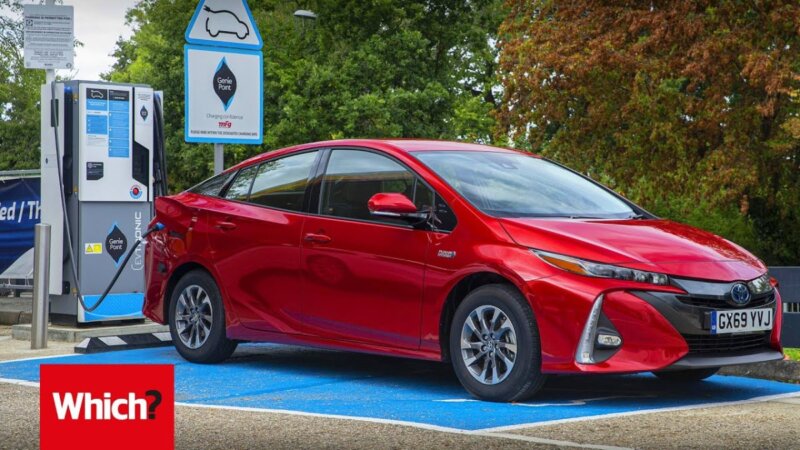
There are three main types of hybrid cars: full, plug-in, and mild hybrids. Full hybrids charge their battery with energy from the petrol engine and utilize regenerative braking to harvest energy from the brakes. Plug-in hybrids, on the other hand, can be driven on electric power alone for a certain distance and require regular charging from the mains for the best economy. Mild hybrids use a small electric motor alongside a conventional engine, allowing for fuel-saving features such as engine shut-off during braking or coasting.
Considerations for Buying a Hybrid Car
When considering purchasing a hybrid car, it’s essential to evaluate your driving habits and access to charging points. Full hybrids are ideal for those transitioning from petrol or diesel cars and have limited access to charging points, while plug-in hybrids offer a longer electric driving range but require frequent charging. It’s important to note that both full and plug-in hybrids are not exhaust emissions-free, as they still rely on petrol or diesel at least some of the time.
Efficiency and Performance
While hybrid cars can offer significant fuel savings in city driving, they may not always be the most economical choice for long-distance motorway driving. Some hybrids consume more fuel than diesel cars once the electric battery runs out, as the petrol engine has to do all the work and uses more fuel to keep the vehicle running. However, some hybrid models excel in motorway driving, offering great miles per gallon for both long and short distances.
Conclusion
Hybrid cars present a promising solution for those seeking a cleaner and more efficient mode of transportation. It’s crucial to carefully evaluate the different types of hybrids available and consider your driving habits before making a purchase. Despite some limitations, the right hybrid model can offer significant fuel savings and reduced emissions, making it a viable option for eco-conscious consumers. For more insider tips and advice on cars, subscribe to our YouTube channel. Thank you for watching!
Disclaimer:
The information contained in the video or post represents the views and opinions of the original creators, and does not necessarily represent the views or opinions of YeniExpo. The Video Content or Post has been made available for informational and educational purposes only.
YeniExpo does not make any representation or warranties with respect to the accuracy, applicability, fitness, or completeness of the Video or Post Content. If you find any of your copyrighted material in this post or video, please contact us, so we can resolve the issue.
© All rights reserved by respective owners.
Please Share Article Above🔝
Turkish Manufacturers: 5 Proven Ways to Slash Your B2B Logistics Costs
Turkish Furniture Manufacturers: Superior Wholesale Designs for Global Buyers
YeniExpo VIP Services: How We Digitize Complex Industrial Catalogs with Surgical Precision
The 48-Hour Digital Catalog: Why YeniExpo’s VIP Data Entry is the New Standard for Turkish Exporters
How to increase your exports to the Middle East and Europe using YeniExpo
Five Key Advantages for Chinese Exporters Joining YeniExpo.com
Featured Products
New Yogurt Ferment Dosing Tube – Perfect Commercial Yogurt Making 2024
Stylish GOBİ Green Abaya A237217GR Turkish Djellaba Hijab Women Caftan
Yumatu 30W E27 White Led Light Bulb 3300 Lumens
High Quality Muslin Fabric BABAY 520619
Women Shirts Long Tunic AMAZİNG Marie Mcgrath 3011
Bayraktar Colorful Small Plastic Play Toy Bucket Truck for kids
DRY COOKING MACHINE
High Quality Wedding Tiaras Stylish Modern Zirconium Stones NEW 2020 KNZ14
Exquisite Tura Mesh Lining Black Abaya A237207BK
[the_ad_group id="19807"]