
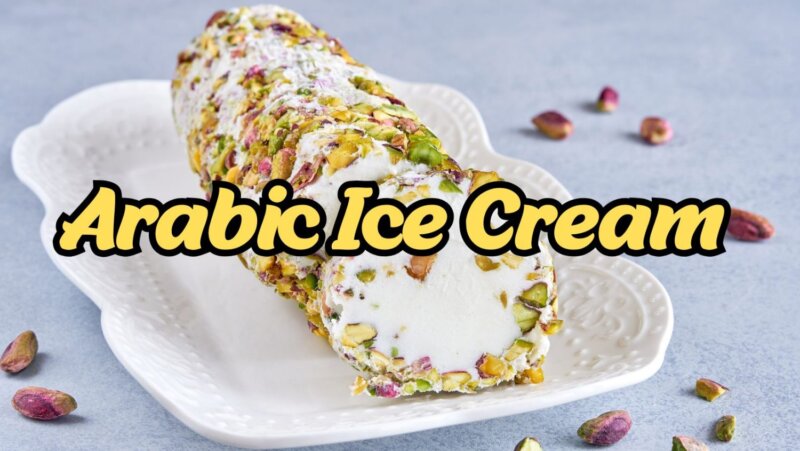
When it comes to frozen desserts, Arabic ice cream, or “Booza,” stands out as a unique and culturally rich treat. Unlike the creamy, melt-in-your-mouth texture of Western ice cream, Arabic ice cream is known for its stretchy, elastic consistency and bold, aromatic flavors. This Middle Eastern delicacy is more than just a dessert—it’s a reflection of centuries-old traditions, craftsmanship, and the region’s love for sweet indulgences. Let’s dive into the fascinating world of Arabic ice cream and discover what makes it so special.
The Origins of Arabic Ice Cream
Arabic ice cream has its roots in the Levant region, particularly in Syria and Lebanon, where it has been enjoyed for hundreds of years. The dessert’s unique texture comes from two key ingredients: mastic gum and sahlab. Mastic gum, a resin derived from the mastic tree, gives the ice cream its signature chewiness, while sahlab, a powder made from orchid root, adds a creamy thickness. These ingredients were historically prized for their rarity and medicinal properties, making Arabic ice cream a luxurious treat reserved for special occasions. Over time, the recipe spread across the Middle East, with each region adding its own twist to the classic formula.
The Art of Making Booza
The process of making Arabic ice cream is an art form in itself. Traditional Booza masters, often referred to as “Booza artisans,” use large copper pots to churn the mixture by hand. This labor-intensive method ensures the ice cream develops its characteristic stretchy texture. The mixture is typically made with milk, sugar, and the essential ingredients of mastic gum and sahlab. Once churned, the ice cream is pounded and stretched repeatedly, a technique that incorporates air and gives it a dense, chewy consistency. The result is a dessert that is not only delicious but also visually captivating, as it can be pulled and stretched like taffy.
Popular Flavors and Variations
Arabic ice cream is celebrated for its rich and aromatic flavors, many of which are inspired by Middle Eastern culinary traditions. Pistachio is a classic choice, offering a nutty and slightly sweet taste that pairs perfectly with the creamy base. Rosewater and orange blossom are also popular, infusing the ice cream with a fragrant, floral aroma. Saffron, a prized spice in Middle Eastern cuisine, adds a luxurious golden hue and a subtle earthy flavor. For those who prefer something simpler, vanilla and chocolate variations are also widely available. In recent years, modern twists on the traditional recipe have emerged, with flavors like date, cardamom, and even baklava-inspired combinations gaining popularity.
The Cultural Significance of Arabic Ice Cream
Arabic ice cream is more than just a dessert—it’s a symbol of hospitality and celebration in Middle Eastern culture. It is often served at weddings, festivals, and family gatherings, where it brings people together to share in its sweetness. The act of making and serving Booza is also a way to preserve cultural heritage, as the traditional methods and recipes are passed down through generations. In many ways, Arabic ice cream is a testament to the region’s rich history and its enduring love for culinary craftsmanship.
Why Arabic Ice Cream is Gaining Global Popularity
In recent years, Arabic ice cream has gained international attention, thanks to its unique texture and exotic flavors. Food enthusiasts and chefs around the world have embraced this Middle Eastern treat, incorporating it into modern desserts and fusion dishes. Social media has also played a role in its rise to fame, with videos of Booza being stretched and pulled captivating audiences worldwide. As more people seek out authentic and culturally significant foods, Arabic ice cream has become a must-try for anyone with a sweet tooth.
Conclusion: A Dessert Worth Savoring
Arabic ice cream is a frozen treat like no other, offering a delightful blend of texture, flavor, and cultural heritage. Its stretchy consistency, aromatic flavors, and rich history make it a standout dessert that continues to captivate people around the world. Whether you’re enjoying it at a traditional Middle Eastern market or trying your hand at making it at home, Arabic ice cream is sure to leave a lasting impression.
So, the next time you’re in the mood for something sweet, why not take a culinary journey to the Middle East with a scoop of Booza? It’s a dessert that’s as rich in culture as it is in flavor.

Please Share Article Above🔝
Turkish Manufacturers: 5 Proven Ways to Slash Your B2B Logistics Costs
Turkish Furniture Manufacturers: Superior Wholesale Designs for Global Buyers
YeniExpo VIP Services: How We Digitize Complex Industrial Catalogs with Surgical Precision
The 48-Hour Digital Catalog: Why YeniExpo’s VIP Data Entry is the New Standard for Turkish Exporters
How to increase your exports to the Middle East and Europe using YeniExpo
Five Key Advantages for Chinese Exporters Joining YeniExpo.com
Featured Products
FUSTAN Women’s Modest Muslim Dresses: Sizes 36, 38, 40, 42 – Wholesale Exclusive, Crafted in Turkiye 1007
High Quality Cotton Sheets BED Cover Satin 1217435
Siptar Furniture Home-glance AWESOME Bedroom Sets King Queen 5 Pieces
Teknofalt fixed batch type asphalt plant TKN 100 tons / hour
Complete gravel dual filter system with double filter hydrocyclone
Leather Booties for Women Western Style Pointed Toe ShowLife4 NEW 2021
Gobi Newborn Baby Wet Wipes Biodegradable 25-125 Count Per Pack 99% Pure Water NEW
Burkini Bathing Suit Women Modest Swimsuit Swimwear – Lycra Long Sleeve 20s517 38-46
Satellite Receiver Yumatu IP H5D Full HD 4K Android IP Set Top Box
[the_ad_group id="19807"]