
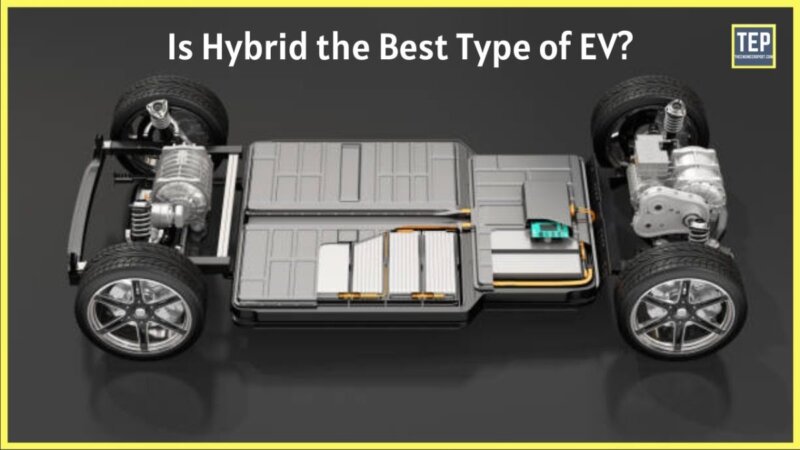
Four Main Types of Electric Vehicles: Explained
Electric vehicles have come a long way from just being powered by batteries. Today, there are four main types of electric cars available in the market: battery electric vehicles, hybrid electric vehicles, plug-in hybrid electric vehicles, and fuel cell electric vehicles. Each type operates differently and offers unique advantages and disadvantages. In this article, we’ll take a deep dive into each type to understand how they work and what sets them apart.
Battery Electric Vehicles
Also known as all-electric vehicles, battery electric vehicles run solely on battery power, eliminating the need for gasoline. These vehicles are powered by a large battery pack that can be charged by plugging it into an electricity grid. They can also be charged at home using level 1 or level 2 electric vehicle chargers, or high-powered level 3 chargers designed for commercial charging stations. The main components of battery electric vehicles include the electric motor, inverter, battery, and control module.
The advantages of battery electric vehicles include zero emissions, energy efficiency, and low maintenance. However, they also have limitations, such as recharging points, short driving range, and high price.
Hybrid Electric Vehicles
Hybrid electric vehicles combine both an internal combustion engine and a battery-powered electric motor. This power distribution allows the vehicle to achieve optimum power under most driving conditions. Hybrid electric vehicles can’t be plugged in to charge the battery, as it is charged through regenerative braking and the internal combustion engine.
There are different types of hybrid electric vehicles, including series hybrid, parallel hybrid, and series parallel. Each type operates with a combination of the engine and electric motor.
Plug-In Hybrid Electric Vehicles
Plug-in hybrid electric vehicles expand on the concept of standard hybrid vehicles by having an internal combustion engine and a battery-powered electric motor, allowing the battery to store enough power to feed the electric motor. These vehicles can travel up to 40 miles on electric power alone and can be charged by plugging into an outside electric power source.
Fuel Cell Electric Vehicles
Fuel cell electric vehicles, also known as zero-emission vehicles, utilize fuel cell technology to generate the electricity required to run the car. These vehicles convert the chemical energy of the fuel directly into electric energy and require compressed hydrogen as the fuel source.
Each of these electric vehicle types offers unique features and functions, making them suitable for different needs and preferences. Whether it’s the simple construction and convenience of battery electric vehicles, the regenerative braking system of hybrid electric vehicles, the long electric range of plug-in hybrids, or the zero emissions and fast charging times of fuel cell electric vehicles, there are plenty of options for environmentally friendly transportation.
As the market for electric vehicles continues to grow, it’s important to understand the differences between each type to make an informed decision about which one best suits your lifestyle and driving needs. Whether you prioritize environmental impact, cost efficiency, or performance, there’s likely an electric vehicle type that aligns with your preferences.
Disclaimer:
The information contained in the video or post represents the views and opinions of the original creators, and does not necessarily represent the views or opinions of YeniExpo. The Video Content or Post has been made available for informational and educational purposes only.
YeniExpo does not make any representation or warranties with respect to the accuracy, applicability, fitness, or completeness of the Video or Post Content. If you find any of your copyrighted material in this post or video, please contact us, so we can resolve the issue.
© All rights reserved by respective owners.
Please Share Article Above🔝
Turkish Manufacturers: 5 Proven Ways to Slash Your B2B Logistics Costs
Turkish Furniture Manufacturers: Superior Wholesale Designs for Global Buyers
YeniExpo VIP Services: How We Digitize Complex Industrial Catalogs with Surgical Precision
The 48-Hour Digital Catalog: Why YeniExpo’s VIP Data Entry is the New Standard for Turkish Exporters
How to increase your exports to the Middle East and Europe using YeniExpo
Five Key Advantages for Chinese Exporters Joining YeniExpo.com
Featured Products
Aksan Savon De Royal Luxury Hand Wash Soap White Eden Black SR101
Juice Bottling Line LionMak Top Design Performance Since 1982
Treadmill Imesspor Proforce Cardio Personal Lightweight Durable NEW 21
Wind Turbine 1200W Turkish Made New 2021
Modest Burkini Style Swimsuit for Women – Lycra Long Sleeve – Size Range 38-46 – 20s515
Milk Counter 5 tons per hour
Woman Wholesale Glamour Modern Short Sleeve Dress Red Color Fv 109
Akdeniz Metal Revolving Door
Promotional Corporate Brand Plastic Pen OVACIK 7721
[the_ad_group id="19807"]